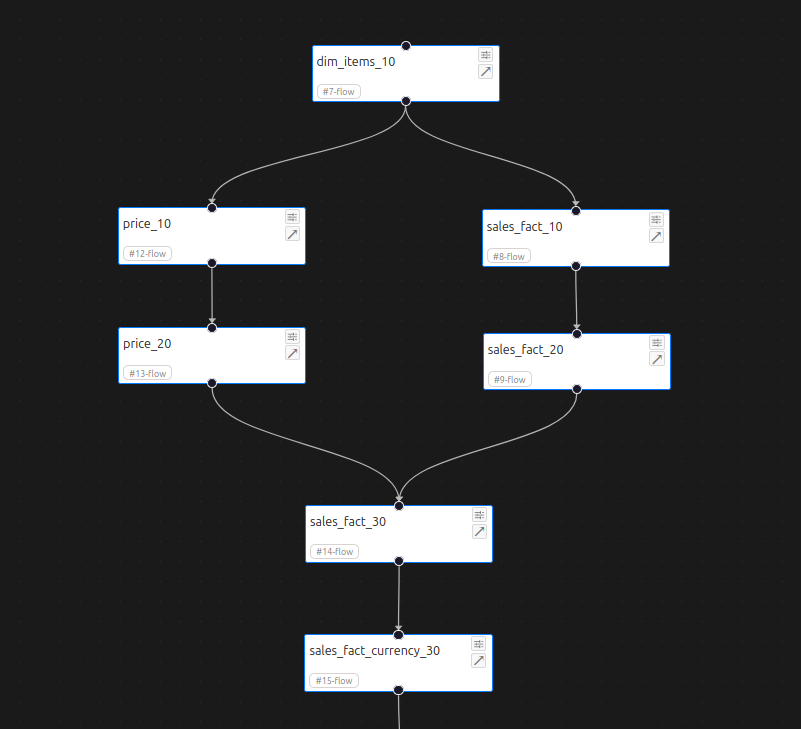
Visual SQL ELT platform

Build and control data pipelines without losing visibility

Belt helps data teams and business users design ELT flows, run process chains, monitor every request and batch, and safely recover data when something goes wrong

MVP available for pilot deployments. PostgreSQL, ClickHouse and Python supported. Addition connectors at the future.

Source PostgreSQL / ClickHouse / Python
SQL Transform Business users can do transformation
Target Request + batch tracking, data management and lineage
Flow run success
Batch error visible
Lineage detected
Reload controlled

The gap

Data loading is easy Data recovery is not

Many teams can create pipelines, but later struggle to answer simple operational questions: which request loaded these rows, which batch failed, what can be safely deleted, and how to reload only the broken part. Belt is focused on this operational layer.

Visual ELT flows

Create integration and transformation flows visually, while keeping SQL clear and readable.

Request and batch control

Track each run by technical request and batch identifiers, down to the loaded rows.

Monitoring and recovery

Inspect chain runs, flow runs and batch status. Delete or reload selected requests when needed.

Lineage view

See how sources, transformations and targets are connected across flows.

SQL-first transformations

Write business SQL. Belt adds technical metadata automatically during loading.

Simple deployment

Run Belt with Docker on your own server, close to your databases and internal systems.

How it works

From flow design to controlled execution

01

Design

Create source, transform and target nodes in a visual flow

02

Run

Execute flows manually or through scheduled process chains

03

Monitor

Analyze execution history by chain, flow, request and batch

04

Recover

Reload or delete selected requests instead of fixing data blindly

Who needs it

For small and medium data teams that need control, not platform bureaucracy

Pilot projects

Try Belt on one real pipeline.

The best pilot is simple: one source, one transformation, one target, scheduled execution, monitoring, lineage and request-level recovery

Request a pilot